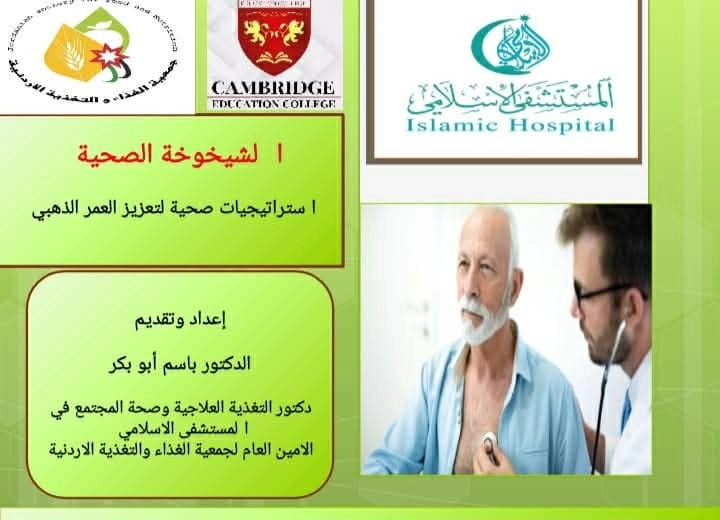
Health and Nutrition Strategies for Healthy and Safe Aging
Towards a balanced lifestyle that prevents chronic diseases and enhances quality of life
Download article PDFBalanced and functional nutrition plays a pivotal role in slowing down premature aging and in preventing many age-related diseases, such as dementia, memory decline, Parkinson’s disease, Alzheimer’s disease, and stroke. Adopting a healthy dietary pattern does not only reflect positively on physical health, but its impact also extends to mental and psychological well-being, as well as overall quality of life.
Healthy foods rich in antioxidants, vitamins, minerals, and dietary fiber, and free from trans fats, saturated fats, and added sugars, are known for their ability to reduce the risk of many chronic diseases. These include diabetes, cancer, high blood pressure, cardiovascular and brain diseases, osteoporosis, and weakened immunity. In addition, such foods play an effective role in enhancing vitality and improving the body’s functional performance with advancing age.
To combat aging and promote health and safety, it is recommended to adhere to several health and nutrition guidelines. Foremost among these is undergoing regular medical check-ups, including lipid profiles, blood glucose tests, and assessments of essential vitamin levels such as vitamin D and vitamin B12, as well as key minerals like iron, zinc, and magnesium. Maintaining a healthy body weight within normal ranges, along with controlling blood glucose, blood pressure, and lipid levels, represents a cornerstone of sustainable health.
Regular and safe physical activity is also an important factor in preserving muscle mass and supporting cardiovascular and circulatory health, in addition to its positive effects on mood enhancement and stress reduction. Conversely, it is essential to avoid active and passive smoking, abstain from alcoholic beverages, soft drinks, and energy drinks, and reduce the intake of sugars and refined carbohydrates. Limiting salt consumption and avoiding highly salted foods, as well as fast and fatty foods, is equally important.
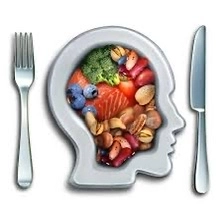
A balanced diet that supports brain health is strongly recommended. This includes increased consumption of fresh vegetables and fruits, olive oil, avocado, raw unsalted nuts and seeds, boiled eggs, grilled fish such as tuna and sardines, unsweetened dark cocoa, green tea, omega-3-rich foods, legumes, and whole grains high in dietary fiber, while reducing the intake of caffeine-rich beverages such as concentrated coffee.
Psychological and social aspects are no less important than nutritional factors. Adopting an active social life, maintaining regular physical activity, ensuring adequate and restful sleep, and enhancing visual and auditory communication—such as listening to the Holy Quran or calming music—are all highly encouraged. Preventing dehydration by consuming sufficient amounts of water and healthy fluids, approximately 10 to 12 cups per day, is essential. Attention should also be given to maintaining a safe and healthy home environment, free from pollution and harmful pesticides.
Practicing deep breathing, relaxation techniques, and health-promoting arts further contributes to supporting mental health, maintaining neurological balance, and reducing levels of stress and anxiety.
Adopting a healthy, active, and safe lifestyle significantly enhances the physical, psychological, cognitive, and social health of older adults. It improves quality of life, strengthens immunity, enhances concentration and memory, and increases levels of happiness-related hormones, thereby positively influencing independence and overall well-being. Hence, investing in nutritional, environmental, and social health emerges as one of the most important keys to preventing chronic diseases and ensuring healthy and safe aging.
Prepared by
Dr. Bassem Abu Baker
Professor of Clinical Nutrition and Community Health
Specialized Nutrition Consultancy Center – Internationally Accredited
Islamic Hospital
Secretary General – Jordanian Food and Nutrition Association
Nutrition Consultant – International Union of Arab Master Chefs